

With over 700 islands and cays scattered across 100,000 square miles of crystal-clear ocean, the Bahamas is a mariner’s paradise. However, because the archipelago stretches from the coast of Florida down toward the Caribbean Sea, the “perfect time” to hoist your sails or throttle up your motor depends heavily on which islands you plan to visit and what kind of sea conditions you can handle.
As we look at the boating landscape for 2026, shifting weather patterns and a surge in “shoulder season” travel have redefined the best windows for a Bahamian escape. Here is everything you need to know about timing your 2026 voyage.
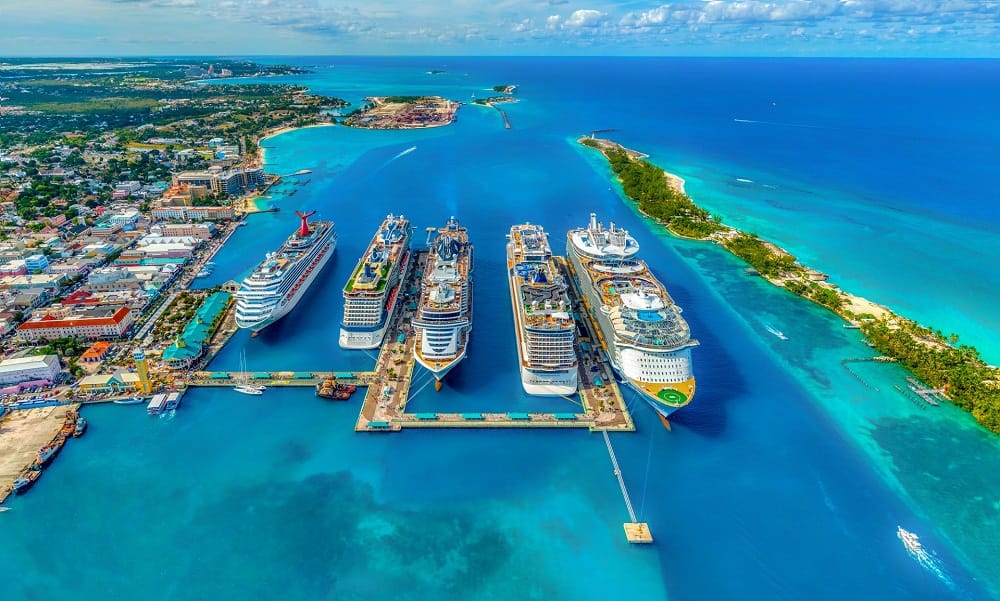
Why Timing Matters for Boaters
In the Bahamas, the water isn’t just a backdrop—it’s the highway, the playground, and the lifeblood of your trip. Unlike a land-based vacation where a rainy afternoon might just mean moving to a different bar, timing for boaters impacts:
• Sea Conditions: A “Nor’easter” in the winter can turn the Tongue of the Ocean into a washing machine, while the glassy calms of June are perfect for crossing the Gulf Stream.
• Visibility: For snorkelers and divers, the angle of the sun and the lack of particulate-stirring wind are crucial for that legendary 100-foot Bahamian clarity.
• Safety: 2026 forecasts suggest a dynamic Atlantic hurricane season. Knowing the statistical “safe zones” is non-negotiable for responsible captains.
Peak Season: December – April
The Vibe: High energy, prestigious regattas, and perfect “winter escape” weather. This is the traditional “High Season.” The air is crisp (typically 21°C to 25°C), the humidity is low, and the mosquitoes are non-existent.
What to Expect:
• The Weather: Mostly sunny with a steady “Trade Wind” from the east. However, be wary of “Cold Fronts” pushing down from the U.S. mainland, which can bring 20-30 knot winds and kick up significant swells for 2–3 days at a time.
• Events: 2026 will see major events like the National Family Island Regatta in Exuma (April) and the legendary Junkanoo parades in Nassau (December/January).
• Boating Conditions: Great for sailing, as the winds are consistent. Powerboaters should plan for slightly more “bump” on the open water crossings.
💡 Pro Tip: This is the most expensive time to charter. Expect slip fees at popular marinas like Staniel Cay or Atlantis to be at a premium, and book your vessel at least 6 months in advance.
Shoulder Season: May – June
The Vibe: The “Sweet Spot” for serious boaters. If you ask any local captain when they take their own boat out, they will tell you May and June. The winter winds have died down, but the intense heat of late summer hasn’t yet arrived.
Why It’s the Best Balance:
• Glassy Seas: This window offers the highest probability of “lake-like” conditions in the Gulf Stream, making the crossing from Florida much safer and more comfortable for smaller center consoles.
• Warm Water: The ocean temperature hits a comfortable 27°C, perfect for long hours of snorkeling at the Exuma Cays Land and Sea Park.
• Crowd Levels: The spring break crowds have departed, and the summer family vacationers haven’t quite arrived, giving you more privacy at popular spots like Pig Beach.
Off-Season: July – October
The Vibe: Extreme heat, low prices, and high vigilance. The “Off-Season” coincides with the peak of the Atlantic Hurricane Season. While the water is at its warmest and most beautiful turquoise, the risks are higher.
The Realities of Late Summer:
• Hurricane Risk: Statistically, August and September are the most active months. In 2026, modern satellite tracking gives boaters plenty of warning, but you must have a “Hurricane Hole” or a quick exit strategy planned.
• The Heat: It is hot. Expect temperatures frequently hitting 32°C+ with high humidity. Without a boat that has a strong AC system or a steady sea breeze, the afternoons can be stifling.
• The Reward: If no storms are on the horizon, you will have world-class dive sites entirely to yourself. Prices for luxury yacht rentals can drop by 30–40% compared to March.
orem ipsum dolor sit amet, consectetur adipiscing elit. Ut elit tellus, luctus nec ullamcorper mattis, pulvinar dapibus leo.
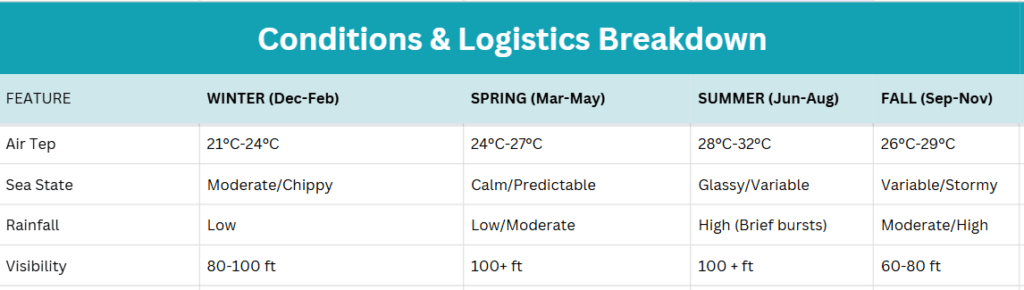
Conditions & Logistics Breakdown: To help you plan your 2026 navigation, refer to this seasonal snapshot:
Best Time for Deals (2026 Forecast)
If budget is your primary driver, aim for the late May to early June window or November. • May/June: You get peak weather but “shoulder” pricing. • November: The hurricane risk begins to drop significantly by mid-month, and many charter companies offer “Pre-Holiday” specials before the December rush starts.
Managing the Crowds
• High Crowds: Nassau, Paradise Island, and Staniel Cay (Exumas) are packed from Christmas through Easter.
• Moderate Crowds: The Abacos and Eleuthera offer a bit more breathing room during the spring months.
• Low Crowds: The “Out Islands” like Andros, Cat Island, and the Jumentos remain quiet even in peak season if you are looking for a true “off the grid” boating experience.
Final Verdict: When Should You Go?
For the ultimate 2026 boating experience, March through June stands as the undisputed winner.
• For the Fisherman: April and May are prime for Mahi-Mahi and Tuna runs.
• For the Sailor: January through March provides the most reliable winds.
• For the Family: June offers the calmest, warmest water for kids to swim with the pigs and turtles without worrying about rough seas.
The Golden Rule for 2026:
Always check the “Bermuda High” weather patterns before crossing. While the Bahamas is beautiful year-round, the sea is a demanding host—give it the respect of choosing the right window, and it will reward you with the best cruising of your life.